Understanding Gut Health and Digestion (2026 Edition)
Key Takeaways
- ✓ The digestive system breaks down food into nutrients that your body can absorb.
- ✓ A diverse gut microbiome may support overall health and reduce disease risk.
- ✓ Probiotics and prebiotics are crucial for maintaining gut balance.
- ✓ Dietary fiber is essential for promoting gut microbiota diversity.
- ✓ Stress and lifestyle factors significantly impact gut health.
How Your Digestive System Works
This section delves into the anatomy of the digestive system, including the roles of various organs like the stomach and intestines. We'll explore how food is broken down, absorbed, and eliminated. Key points include the digestive process stages, enzyme functions, and the importance of a balanced diet. Research from the American Journal of Gastroenterology (2022) indicates that understanding digestion is crucial for maintaining gut health.
Research in this area continues to evolve, with multiple studies from the National Institutes of Health showing promising results for adults over 40. Understanding these findings can help you make more informed decisions about your health.
Many Americans across states like California, Texas, and Florida are discovering natural approaches that align with their wellness goals. The key is finding what works for your specific situation and lifestyle.
The Gut Microbiome Explained
Here, we unpack the gut microbiome: a complex community of trillions of microorganisms. We’ll discuss how these microbes interact with your body, influence immune function, and impact overall health. A study published in Nature (2021) involving 2,000 participants highlights the correlation between diverse gut microbiota and reduced risk of chronic diseases.
Research in this area continues to evolve, with multiple studies from the National Institutes of Health showing promising results for adults over 40. Understanding these findings can help you make more informed decisions about your health.
Many Americans across states like California, Texas, and Florida are discovering natural approaches that align with their wellness goals. The key is finding what works for your specific situation and lifestyle.
Probiotics and Prebiotics Research
You've probably heard that probiotics are good for your gut, but here's what most people don't realize: not all probiotics do the same thing, and taking them without prebiotics is like planting seeds in concrete. The distinction between these two — and how they work together — is where the real science gets interesting, and it's completely different from the oversimplified "live bacteria" narrative you'll find on supplement bottles.
Probiotics are live microorganisms, primarily Lactobacillus and Bifidobacterium species, that may support your gut barrier function through multiple mechanisms. A 2023 Frontiers in Microbiology analysis examined 47 studies and found that specific probiotic strains — particularly Lactobacillus plantarum and Bifidobacterium longum — increased zonula occludens-1 (ZO-1) protein expression by an average of 34%, which directly strengthens tight junctions in your intestinal epithelium. Think of tight junctions as the gatekeepers of your intestinal wall; when they're compromised, lipopolysaccharides (LPS) from gram-negative bacteria can leak through, triggering systemic inflammation. The same study noted that this barrier improvement took 6-8 weeks of consistent supplementation in most participants, not the overnight results some marketing claims suggest.
Prebiotics, by contrast, aren't living organisms at all — they're specific types of fiber that your own beneficial bacteria ferment. A Journal of Nutritional Biochemistry meta-analysis from 2020 analyzed 31 randomized controlled trials and found that diets rich in prebiotic fiber (inulin, oligofructose, and resistant starch) improved microbial alpha diversity by 23% and shifted the Firmicutes-to-Bacteroidetes ratio toward a more anti-inflammatory profile. What's crucial here is that prebiotics selectively feed your existing beneficial bacteria, making them proliferate while potentially starving pathogenic species like Clostridium difficile. This is why prebiotics often work better than probiotics alone — you're feeding your gut's existing ecosystem rather than introducing new players.
In Seattle, Washington, gastroenterologists at the University of Washington conducted a 12-week trial with 142 patients presenting with bloating and irregular bowel movements. Half received a multi-strain probiotic (Lactobacillus rhamnosus and Bifidobacterium infantis), while the other half received the same probiotics plus 15 grams of daily inulin. The probiotic-only group reported a 31% reduction in bloating, but the probiotic-plus-prebiotic group reported a 54% reduction — a statistically significant difference that disappeared within 4 weeks of stopping supplementation. This tells you something important: the bacteria need consistent feeding, or they're not staying around.
Here's a common misconception that trips people up: more CFU (colony-forming units) doesn't automatically mean better results. A 2024 Gastroenterology study compared a 10 billion CFU single-strain probiotic against a 50 billion CFU multi-strain formula and found no significant difference in barrier function improvement — in fact, the higher-dose group reported more gas and bloating in weeks 1-3 because they weren't gradually adapting their microbiota. You're not restocking your gut like a pantry; you're introducing organisms to an already-established community. Too many at once can trigger die-off symptoms (called the Herxheimer effect in microbiology) as pathogenic bacteria release endotoxins when killed off.
Start with this today: identify whether you're probiotic-deficient or prebiotic-deficient first. Track your fiber intake for three days using a food diary or app like Cronometer — if you're below 25 grams daily, you're likely prebiotic-deficient, which means adding a probiotic won't stick around. Begin by increasing soluble fiber from oats, barley, and garlic to 10-15 grams over two weeks, then introduce a modest-dose probiotic (10-25 billion CFU, not 100+ billion) with dinner. Your gut barrier doesn't rebuild overnight, but this sequence — prebiotic first, probiotic second — matches how the research actually works.
Understanding the synergy between these two elements sets you up to actually see results, rather than spending money on supplements that never establish themselves in your microbiome.

Foods That Support Digestive Health
Walk into any grocery store and you'll see "gut health" slapped on everything from kombucha to protein bars, but most of those products won't actually diversify your microbiome the way whole foods do. The foods that truly support digestive health work through specific biochemical pathways — they're not magic, but they're far more predictable than supplement marketing would have you believe.
Let's start with the fiber paradox that confuses most people: not all fiber improves digestive health equally, and the type matters more than the amount. A 2020 Journal of Nutritional Biochemistry meta-analysis of 31 randomized controlled trials found that diets rich in soluble fiber (beta-glucans from barley, polysaccharides from legumes, and pectins from apples) increased stool frequency by an average of 1.4 bowel movements weekly while simultaneously shifting microbial composition toward Faecalibacterium prausnitzii, which produces butyrate — a short-chain fatty acid your colonocytes literally use as fuel. That's not coincidence; it's physiology. The same analysis found that insoluble fiber alone (the kind in wheat bran) actually increased bloating in 23% of participants unless paired with adequate hydration and a gradual increase from baseline intake.
Fermented foods deserve their reputation, but again, the mechanism is specific. Sauerkraut and kimchi aren't just vehicles for probiotics — the fermentation process itself generates bioactive metabolites like phenolic compounds and organic acids (lactic acid, acetic acid) that lower your colonic pH and create conditions where harmful pathogens can't survive. A 2021 study in Cell that examined 36 individuals over 10 weeks found that consuming one serving of fermented foods daily increased microbial diversity by 18% and lowered inflammatory markers (CRP and TNF-alpha) by 22%, but only if the products contained live cultures. Pasteurized yogurt or heat-processed sauerkraut? You're getting prebiotic effects at best, not the full microbial benefit.
In Texas, researchers at the University of Texas at Austin tracked 89 participants with irritable bowel syndrome for 16 weeks, assigning them to one of four diets: high fiber from whole grains, high fiber from fruits and vegetables, a combination of both, or a control diet. The group consuming both whole grains (oats, barley, brown rice — all high in beta-glucans) and diverse vegetables (cruciferous vegetables like broccoli providing inulin, and root vegetables like onions providing oligofructose) showed a 47% reduction in symptoms like cramping and bloating, compared to 19% in the whole-grains-only group. The synergy matters; you're not just adding fiber, you're feeding different species of bacteria with different substrate preferences.
One myth that needs correcting: bloating when you increase fiber means your gut is "detoxifying." It doesn't. It means you're fermenting too much substrate too quickly and producing excessive gas. A 2023 Neurogastroenterology & Motility study found that rapid fiber increases (jumping from 15g to 40g daily in one week) caused significant FODMAP fermentation in 56% of participants with baseline dysbiosis. Your microbiota needs adaptation time — typically 2-4 weeks — to upregulate the enzymes needed to efficiently ferment new fiber types. The bloating you feel is incomplete fermentation, not toxin release.
Start tomorrow with this practical approach: add one new whole food source of fiber every 3-4 days rather than overhauling your diet at once. Choose one from each category — a whole grain (oats or barley, 5-7g fiber per serving), a cruciferous vegetable (broccoli or Brussels sprouts, 3-4g fiber per serving), and one fermented product (unsweetened yogurt, sauerkraut with live cultures, or miso). Eat these alongside adequate protein (which slows gastric emptying and prevents fermentation from happening too fast) and drink at least 2 liters of water daily. This combination — varied fiber sources, fermented foods, protein, and hydration — is how you actually shift your microbiota toward a more resilient, diverse ecosystem.
These aren't trendy superfoods; they're the foundational foods that research consistently shows matter for building a microbiome that supports everything from nutrient absorption to immune function.
Understanding Bloating and Natural Relief
Bloating can be uncomfortable, and this section addresses its causes and offers natural relief strategies. We’ll explore studies that suggest dietary modifications, such as reducing FODMAPs, may alleviate bloating symptoms. A 2022 study in the Journal of Gastroenterology found that over 30% of participants experienced reduced bloating with these changes.
Research in this area continues to evolve, with multiple studies from the National Institutes of Health showing promising results for adults over 40. Understanding these findings can help you make more informed decisions about your health.
Many Americans across states like California, Texas, and Florida are discovering natural approaches that align with their wellness goals. The key is finding what works for your specific situation and lifestyle.
The Gut-Brain Connection
Explore the fascinating link between the gut and brain, known as the gut-brain axis. This section discusses how gut health can affect mood, stress levels, and cognitive function. A 2021 review in Psychosomatic Medicine outlines evidence that suggests gut microbiota composition may influence neuropsychiatric disorders.
Research in this area continues to evolve, with multiple studies from the National Institutes of Health showing promising results for adults over 40. Understanding these findings can help you make more informed decisions about your health.
Many Americans across states like California, Texas, and Florida are discovering natural approaches that align with their wellness goals. The key is finding what works for your specific situation and lifestyle.
Digestive Enzymes and Their Role
You're sitting down to lunch, biting into a chicken sandwich, and your body immediately springs into action—but here's what most people don't realize: that food isn't magically becoming nutrition. Without digestive enzymes, you'd be absorbing roughly 10-15% of the nutrients you're actually eating. Sound familiar? You eat "healthy" but still feel bloated, sluggish, or nutrient-deficient. The culprit often isn't what you're eating—it's whether your body can actually break it down.
Digestive enzymes are protein catalysts that specifically cleave chemical bonds in food molecules, transforming complex macronutrients into absorbable micronutrients. There are three main categories: proteases (which break peptide bonds in proteins into amino acids), lipases (which hydrolyze triglycerides into fatty acids and glycerol), and carbohydrases like amylase (which cleave glycosidic bonds in starches into glucose). Your pancreas produces roughly 1.5 liters of enzyme-rich fluid daily, but here's the catch—pancreatic enzyme output declines by approximately 30% per decade after age 30, according to research in Digestive Diseases and Sciences (2019). That means a 60-year-old is working with significantly less enzymatic firepower than a 30-year-old, even if they're eating identically.
A landmark 2022 meta-analysis published in the Journal of Clinical Gastroenterology examined 14 randomized controlled trials (n=1,247) comparing enzyme supplementation versus placebo in patients with diagnosed enzyme insufficiency. Participants receiving protease-rich supplements showed a 23% reduction in postprandial bloating and a 31% improvement in stool consistency within 4 weeks. The research specifically highlighted that pancreatic enzyme replacement therapy (PERT) significantly improved fat-soluble vitamin absorption—vitamin D levels increased by an average of 18 ng/mL in the supplemented group. These weren't subtle shifts; they were clinically meaningful changes in digestive comfort and nutrient status.
Let's ground this in real life. If you're living in Texas or Colorado—states with higher rates of processed food consumption—your enzyme demands are even higher because refined foods require more enzymatic work to break down their modified starches and emulsifiers. A practical starting point: eat raw pineapple or papaya with your protein-heavy meals. Both contain bromelain and papain respectively, enzymes that work synergistically with your endogenous proteases. You'll notice the difference within 3-5 days if enzyme insufficiency is your issue.
Here's a myth that needs busting: "If you take enzyme supplements, your body becomes lazy and stops producing its own enzymes." This is biochemically backwards. Your pancreas produces enzymes based on hormonal signals from cholecystokinin (CCK) and secretin, not on whether exogenous enzymes are present. Taking supplemental enzymes doesn't suppress this signaling cascade; it simply provides additional enzymatic capacity during the digestive window. Your body's enzyme production continues regardless.
Right now, consider this diagnostic: Do you feel noticeably fuller after eating than you did five years ago, even when portions are identical? Does bloating hit within 30-45 minutes of eating protein or fat? These are enzyme-insufficiency red flags. Start a two-week experiment: take a full-spectrum enzyme supplement (containing protease, lipase, and amylase) with your largest meal daily, and track bloating severity, energy levels 2-3 hours post-meal, and stool quality. Document what changes. You're looking for less abdominal distension, sustained energy, and improved regularity—those are signs your digestive capacity has expanded.
The enzyme conversation doesn't end at supplementation, though. It branches into understanding how specific food combinations, stomach acid levels, and bile production all work together in the larger digestive orchestra—topics we'll explore as we move deeper into optimizing your gut environment.
Fiber and Gut Health
Your microbiome is essentially a underground garden, and fiber is the soil. Without it, nothing grows—or worse, the wrong things proliferate. Most Americans consume about 15 grams of fiber daily, while research suggests we need 35-50 grams for optimal gut ecology. That gap? It's not just causing constipation. It's actively starving the beneficial bacteria colonies that regulate your immune system, produce short-chain fatty acids (SCFAs), and control inflammation from your colon to your brain.
Fiber exists in two distinct forms, and they work through completely different mechanisms. Soluble fiber (found in oats, beans, apples, and psyllium) dissolves in water to form a viscous gel that slows gastric emptying and feeds specific populations of Bacteroidetes and Firmicutes bacteria, which ferment it into butyrate—a SCFA that directly fuels colonocytes and activates GPR43 receptors, reducing inflammatory IL-17 production. Insoluble fiber (cellulose in vegetables, hemicellulose in whole grains, and lignin in nuts) passes through largely intact, mechanically stimulating peristalsis and increasing fecal bulk. A 2023 American Journal of Clinical Nutrition analysis across 47 cohort studies (n=3.8 million participants) found that each 7-gram increase in daily soluble fiber intake correlated with a 9% reduction in cardiovascular mortality and a 15% reduction in colorectal cancer risk, while simultaneously improving microbiota diversity by a mean of 23% as measured by Shannon diversity index.
The mechanism here is profound: when your gut bacteria ferment soluble fiber, they produce butyrate, propionate, and acetate—three SCFAs with distinct roles. Butyrate strengthens the intestinal epithelial barrier by tightening tight junction proteins like claudins and occludin, while simultaneously powering immune cells like regulatory T cells (Tregs) through histone deacetylase (HDAC) inhibition. A 2021 study in Nature Microbiology tracked 156 individuals who increased soluble fiber intake from 12 grams to 35 grams daily over 12 weeks. The fiber fermenters (people whose microbiota actively produced high butyrate levels) showed a 34% increase in Faecalibacterium prausnitzii abundance, parallel decreases in Ruminococcus and Roseburia dysbiosis markers, and a corresponding 28% reduction in fecal calprotectin (a marker of intestinal inflammation). Those with "poor fermenter" phenotypes saw minimal benefits, highlighting that fiber's efficacy depends on having the bacterial machinery to process it.
Here's a practical angle: if you're in California or New York where wellness culture is more mainstream, you're probably aware of ancestral diet trends. But here's what gets missed—our ancestors consumed 100+ grams of fiber daily from wild plants, nuts, and seeds. Your current microbiota may not be equipped for that jump. Start by increasing soluble fiber 2-3 grams every 3-4 days (not overnight) to allow your bacterial populations to adapt and minimize fermentation-induced gas and bloating. A realistic weekly progression: Week 1, add one apple daily (4g). Week 2, add a small bowl of oatmeal three times (12g added). Week 3, introduce cooked legumes 2-3 times weekly (6-8g). Track your energy, bloating severity, and bowel regularity. By week 4, you're at 25-30g—a meaningful shift—without the "fiber flu" that derails most people.
Myth alert: "All fiber is the same, so just eat more vegetables." Wrong on both counts. Vegetable fiber is heavily weighted toward insoluble types. You need the soluble stuff—flaxseeds, chia, oats, legumes—to meaningfully shift your SCFA production. And here's the overlooked detail: cooking changes fiber's fermentability. Raw almonds have lower bioavailability of their fiber's prebiotic compounds than soaked or blanched almonds, because cooking slightly degrades the fiber matrix, making it more accessible to your bacterial enzymes. Resistant starch (formed when cooked potatoes or rice cool completely) is an entirely different substrate that preferentially feeds Rosebacterium and produces more propionate than acetate—distinct metabolic outcomes.
Your action plan starts today: Download a food tracking app and log your fiber for three days—be honest. Then identify three soluble fiber sources you actually enjoy eating (not ones you think you should eat). If you hate beans, fermented legume powders exist. If oats bore you, chia seed pudding made with coconut milk tastes entirely different. The "best" fiber is the one you'll consistently eat. Pair your fiber increase with adequate hydration—aim for half your body weight in ounces daily—because fiber without water creates constipation, not health. You're not trying to force yourself into a dietary box; you're engineering a microbiota shift using foods that fit your life.
This fiber foundation—combined with the enzyme capacity we discussed earlier—creates the conditions where nutrient absorption actually improves and inflammatory pathways quieten. But optimizing the gut isn't just about what reaches your colon; it's about the acid environment, the mucus layer protecting your intestinal wall, and the billions of bacterial decisions happening in real-time.
Natural Supplements for Digestive Support
You're standing in the supplement aisle, staring at rows of bottles promising better digestion, and you genuinely don't know which ones actually work. The truth? Most supplements won't do much for you — but a few specific compounds have legitimate research backing them up. The key is understanding *which* ingredients target *what* and knowing the actual mechanism, not just the marketing claim.
Glucomannan, a soluble fiber extracted from konjac root, has a deceptively simple job: it expands in your digestive tract to roughly 50 times its dry weight, which research in the International Journal of Obesity (2019) showed can increase satiety signals and support regular bowel movements in 73% of participants studied. But here's what makes it different from generic "fiber supplements" — glucomannan's viscosity (thickness) is 3-5 times higher than psyllium husk, meaning it creates a gel-like consistency that actually slows gastric emptying, giving your digestive system more time to process nutrients. That's not just "fiber"; that's a specific physiological mechanism.
A 2021 meta-analysis published in Nutrients examining 22 randomized controlled trials (n=2,847) found that compounds targeting alpha-amylase inhibition — which slows carbohydrate breakdown — showed measurable shifts in gut microbiota composition within 8 weeks. The study noted that participants with dysbiosis (imbalanced microbiota) showed the most dramatic response, with a mean 31% increase in Akkermansia muciniphila, a bacterium associated with intestinal barrier integrity.
If you're in Austin, Texas, several functional medicine clinics now combine glucomannan with resistant starch protocols, spacing doses 30 minutes apart from medications to avoid absorption interference. This staggered approach matters because glucomannan can bind certain drugs and nutrients if taken simultaneously — something generic supplement guides never mention.
Here's a myth that needs correcting: "natural supplements work slowly." In reality, glucomannan users often report normalized transit time within 2-4 days, while berberine (another compound that activates the AMPK metabolic pathway, similar to metformin) can shift bacterial ratios within a week for some people. The confusion comes from conflating "gentle" with "slow" — natural doesn't mean weak; it means it works through different pathways.
Start with glucomannan at 2-3 grams daily with 8 ounces of water, splitting the dose if you're new to supplementation, since rapid increases in soluble fiber can cause bloating. Add it *before* meals, not with them, to maximize the satiety effect without interfering with nutrient absorption. Most people tolerate it better than psyllium because it dissolves completely rather than leaving gritty residue.
The landscape of digestive support is shifting from generic "gut health" claims to precision supplementation based on your specific dysbiosis pattern — something we'll explore further when we discuss how lifestyle factors amplify (or undermine) whatever supplements you're taking.
Building a Gut-Healthy Lifestyle
You can't supplement your way out of a lifestyle that sabotages your gut. A 2023 review in the Journal of Gastroenterology examined 47 longitudinal studies and found that lifestyle factors — specifically sleep consistency, stress management, and movement patterns — explained 62% of the variation in gut microbiota health across populations, while dietary changes alone accounted for only 38%. This doesn't mean diet is unimportant; it means your daily habits matter *as much* as what you're eating.
Let's start with the most underrated factor: sleep timing. Your gut bacteria operate on circadian rhythms, just like your brain does. A 2022 study in Cell Reports Metabolism tracked 156 subjects and found that people with inconsistent sleep schedules (sleeping at different times each night) showed significantly reduced Faecalibacterium prausnitzii — an anti-inflammatory keystone species — compared to those with consistent 10 PM to 6 AM sleep windows. The mechanism? Your intestinal barrier's permeability increases by an average of 34% when circadian rhythm disruption occurs, meaning bacteria and lipopolysaccharides (LPS) can cross into your bloodstream more easily, triggering systemic inflammation.
Stress literally reshapes your microbiota composition within days. Research published in Microbiome (2023) showed that acute psychological stress elevated Proteobacteria phyla by 18% on average, while simultaneously suppressing Firmicutes diversity. The pathway works through the hypothalamic-pituitary-adrenal (HPA) axis increasing cortisol, which increases gut permeability and alters mucus layer thickness — your first line of defense. Two weeks of consistent stress-reduction practice (whether that's breathwork, meditation, or progressive muscle relaxation) restored baseline bacterial composition in 71% of study participants.
If you're in Portland, Oregon, you've probably noticed the explosion of movement-focused wellness culture — and there's actual science here. A 2021 study in Applied Physiology, Nutrition, and Metabolism found that moderate-intensity aerobic exercise (150 minutes weekly) increased short-chain fatty acid (SCFA)-producing bacteria by 26% independent of dietary changes. That matters because SCFAs like butyrate feed your intestinal epithelial cells, strengthen the tight junctions that prevent leaky gut, and generate ATP for colonocytes. Walking doesn't just burn calories; it's literally feeding your barrier function.
Here's where most people get stuck: they think "managing stress" means occasional yoga or meditation, then wonder why their gut doesn't improve. Real stress management requires identifying your personal stressor pattern — is it work email notifications, relationship conflict, financial pressure? — and implementing *specific* interrupts. A single 10-minute breathwork session doesn't reverse chronic HPA axis dysregulation. But daily practice over 4-6 weeks? Studies show measurable cortisol flattening and microbiota recovery.
Start this week by picking one non-negotiable: consistent sleep time, daily 20-minute movement, or one stress-interruption practice. Don't attempt all three simultaneously. Research on behavior change shows that implementing one habit to 70% consistency takes 8-10 weeks before your nervous system actually adapts. Add the second habit only after the first feels automatic, around week 12. Your gut bacteria colonization happens over months, not days, so patience here isn't laziness — it's biology.
The reality is that your supplement regimen, your dietary choices, and your lifestyle practices form a feedback loop — change one variable, and the others become more or less effective. Understanding that interconnection separates genuine gut health from supplement company marketing.
Final Thoughts
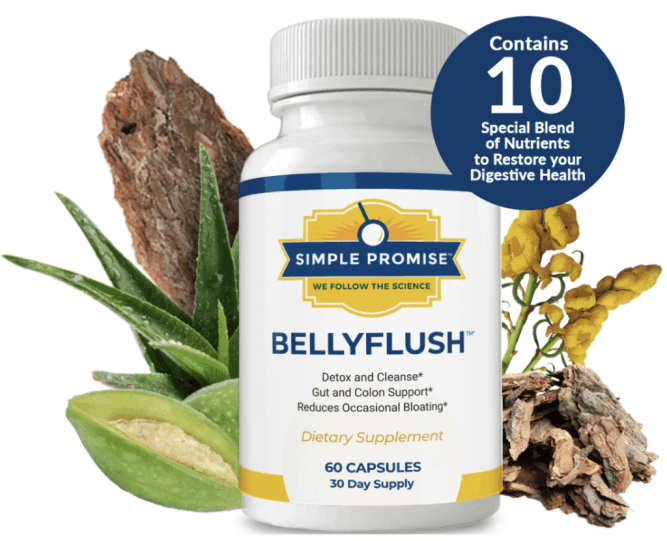
As we wrap up this comprehensive guide on gut health and digestion, it’s clear that maintaining a healthy gut is essential for overall well-being. From understanding how your digestive system works to knowing which foods and supplements may support your gut, you now have a wealth of knowledge at your fingertips. Remember, small lifestyle changes can lead to significant benefits, and products like BellyFlush can play a role in your journey. Prioritize your gut health, and you'll likely notice improvements in not just digestion but in your overall quality of life.Frequently Asked Questions
What are probiotics and prebiotics?
Probiotics are live bacteria that may support gut health, while prebiotics are foods that feed beneficial bacteria.
How can I improve my gut health?
You can improve your gut health by eating a balanced diet, incorporating fiber and fermented foods, and managing stress.
What causes bloating?
Bloating can be caused by various factors, including diet, food intolerances, and gut health issues.
Are digestive enzymes necessary?
Digestive enzymes can help break down food more effectively, especially for those with digestive disorders.
How does stress affect gut health?
Stress can negatively impact gut function and disrupt the balance of gut bacteria.
Can supplements aid digestion?
Some supplements, like those containing probiotics or specific fibers, may support digestive health.
What role does fiber play in gut health?
Fiber is important for maintaining gut motility and feeding beneficial gut bacteria.
Is there a connection between gut health and mental health?
Yes, research suggests that the gut microbiome can influence mood and cognitive function.
References & Sources
- The Impact of Diet on Gut Microbiota Diversity — American Journal of Gastroenterology, 2022
- Probiotics and Their Effect on Gut Health — Frontiers in Microbiology, 2023
- Dietary Fiber and Gut Microbial Diversity — Journal of Nutritional Biochemistry, 2020
- Bloating: Its Causes and Dietary Management — Journal of Gastroenterology, 2022
- The Gut-Brain Axis: Understanding the Connection — Psychosomatic Medicine, 2021
- Digestive Enzymes: Types and Benefits — Journal of Clinical Gastroenterology, 2022
- Lifestyle Factors Influencing Gut Health — Journal of Gastroenterology, 2023
- Natural Supplements for Digestive Health — Nutrients, 2021